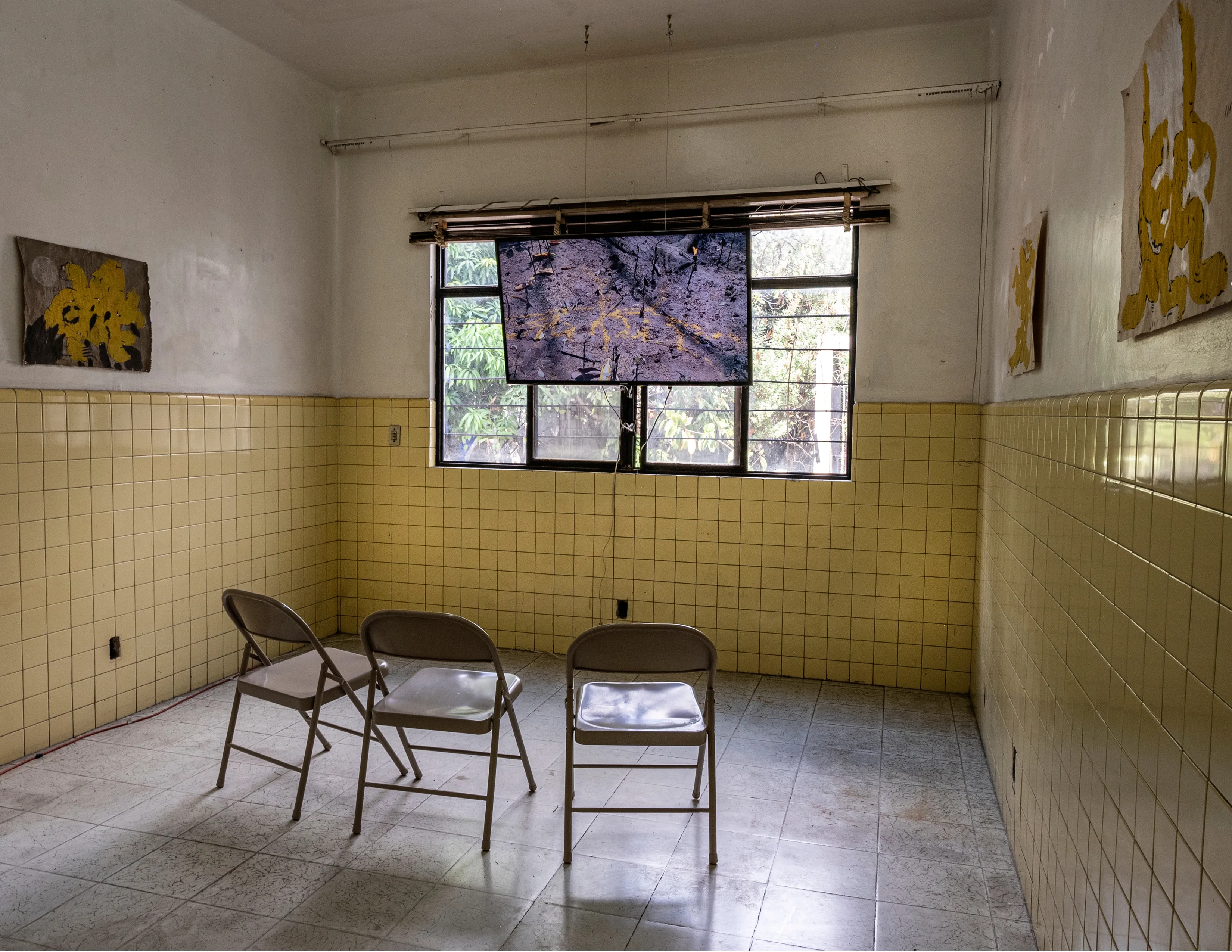
Amaraña
Javier Velázquez Cabrero
2026
Curaduría: Marco Valtierra y Diego González Gómez
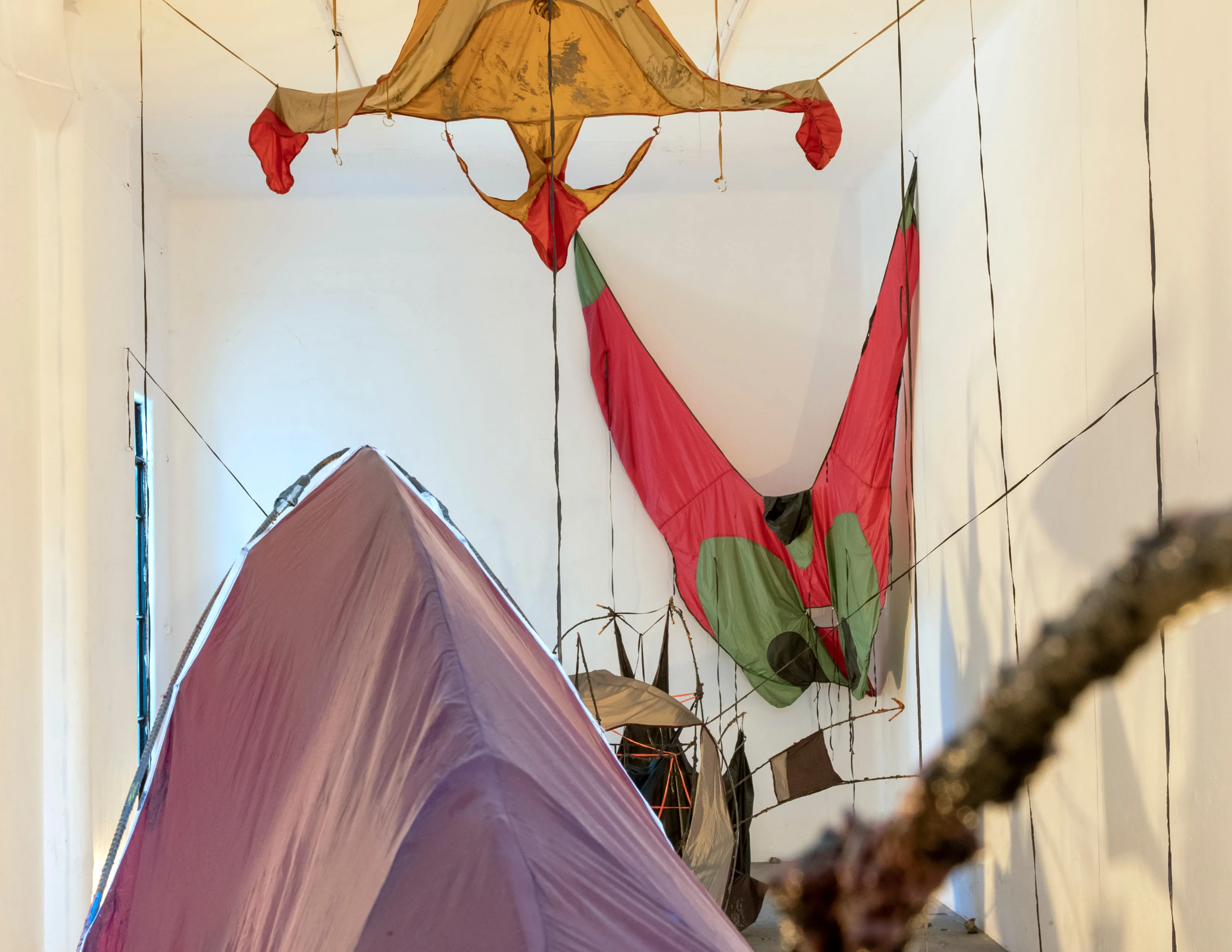
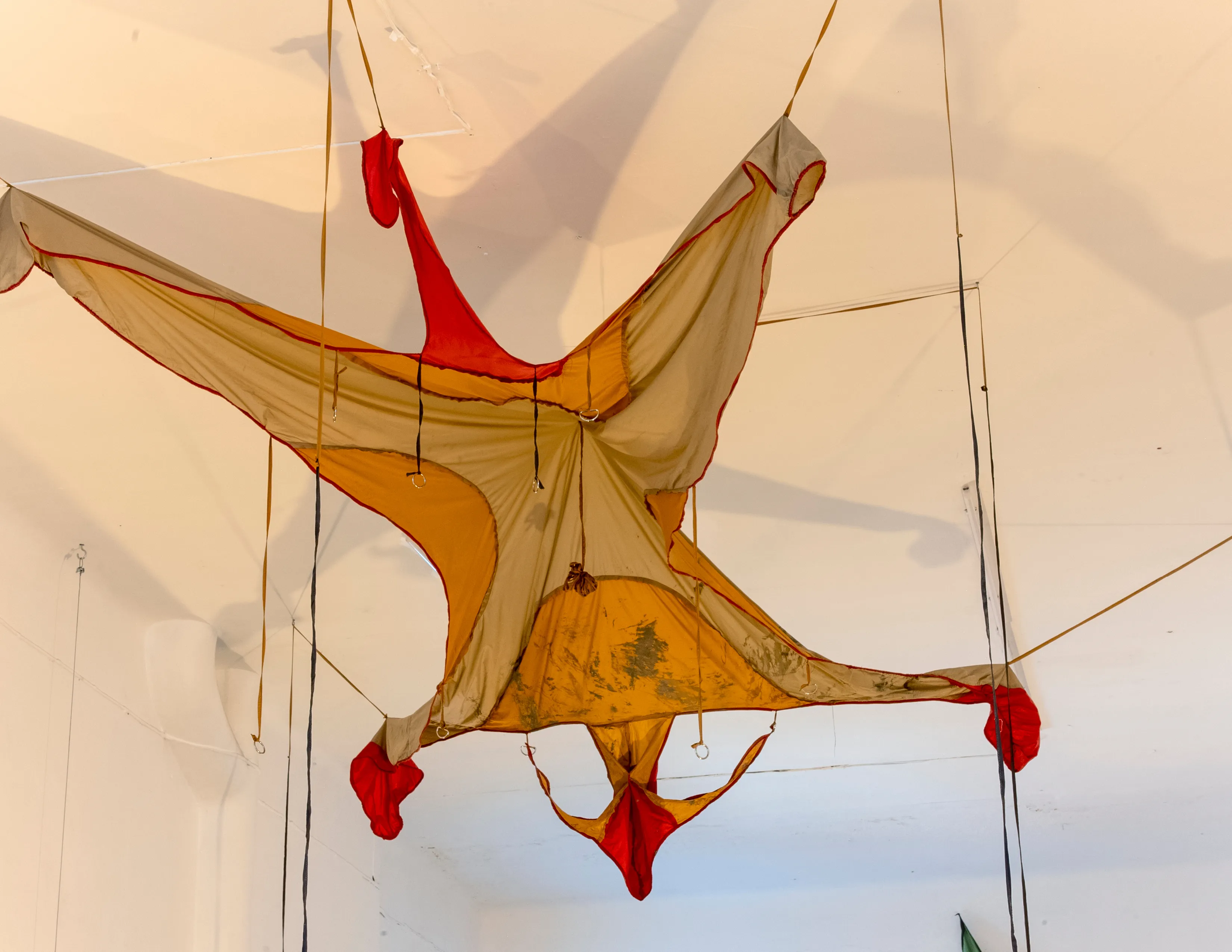
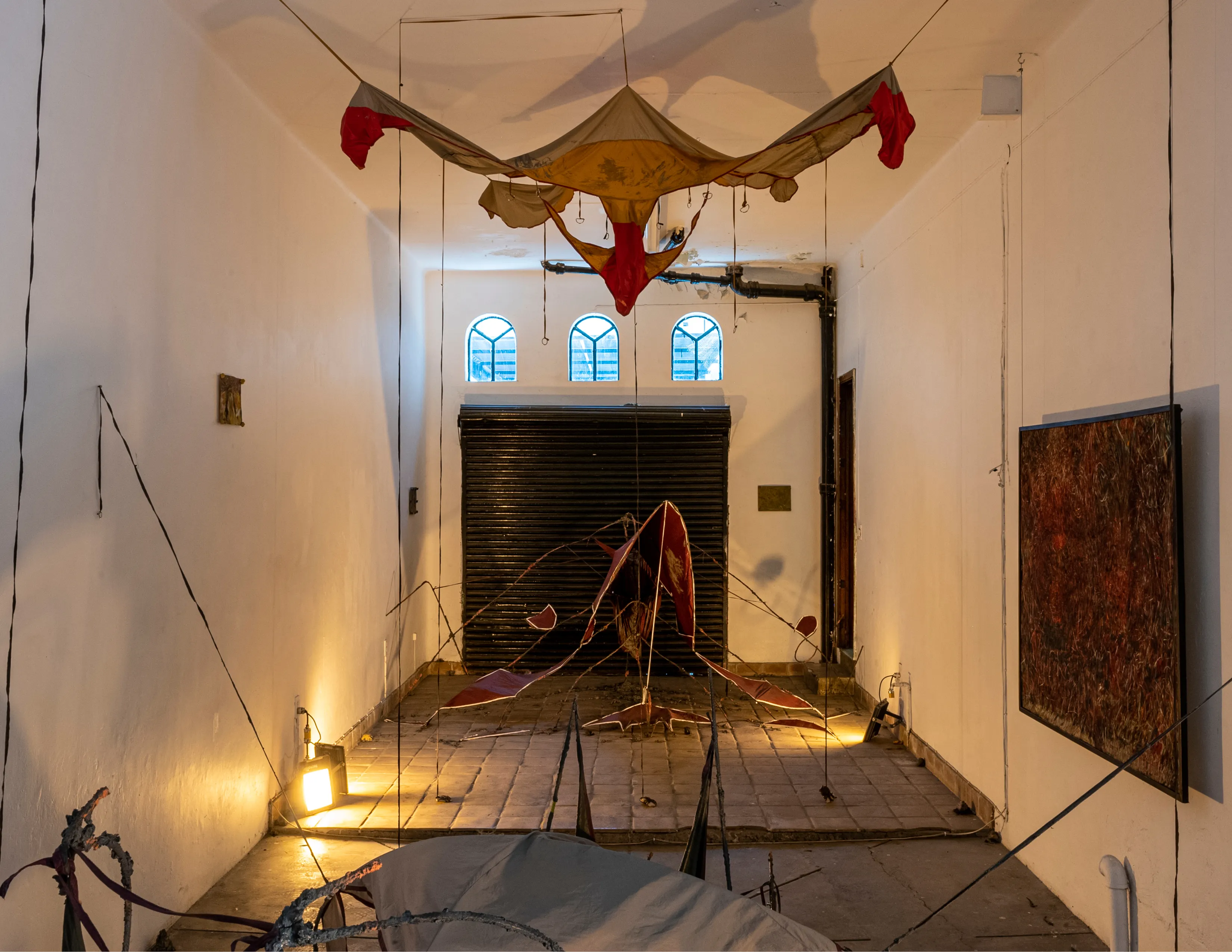
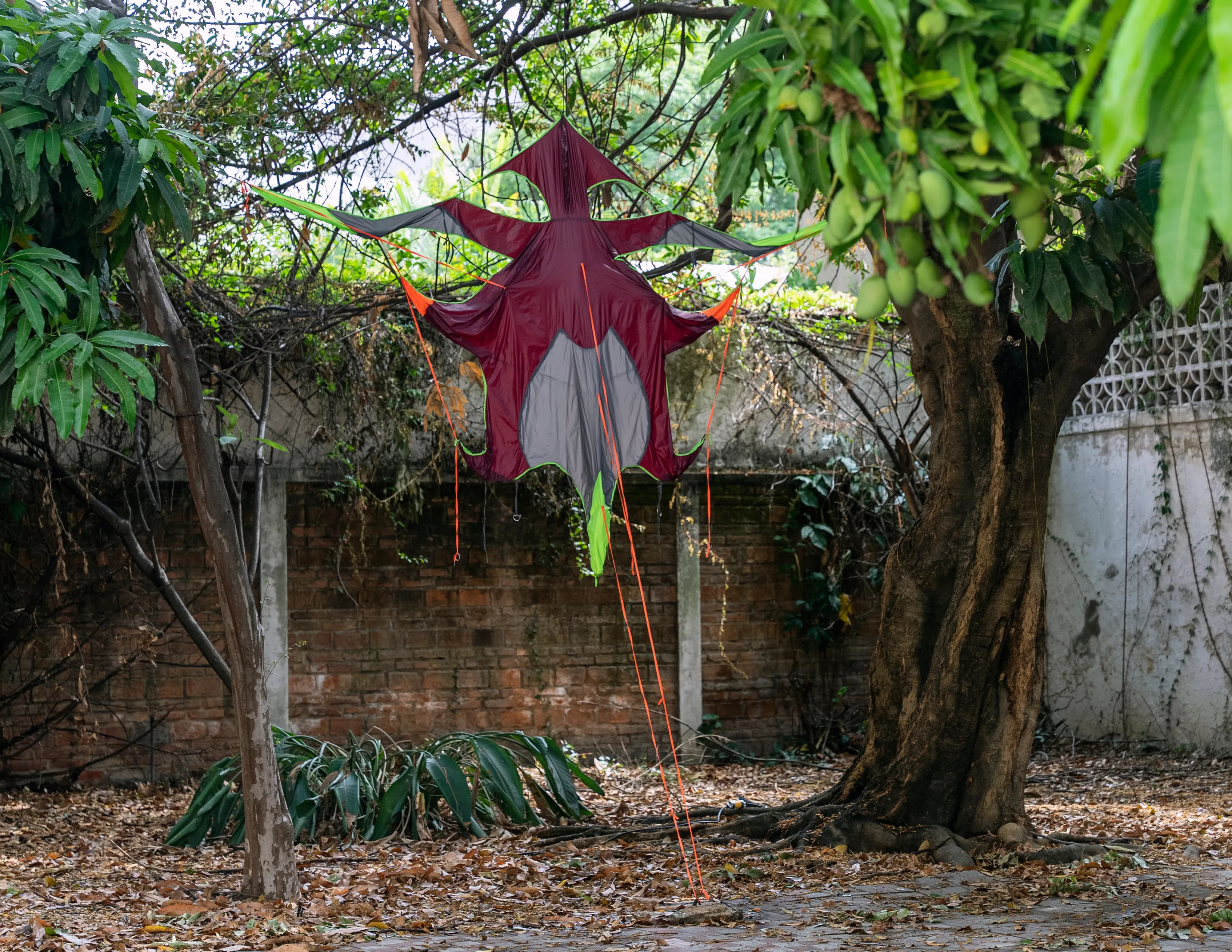
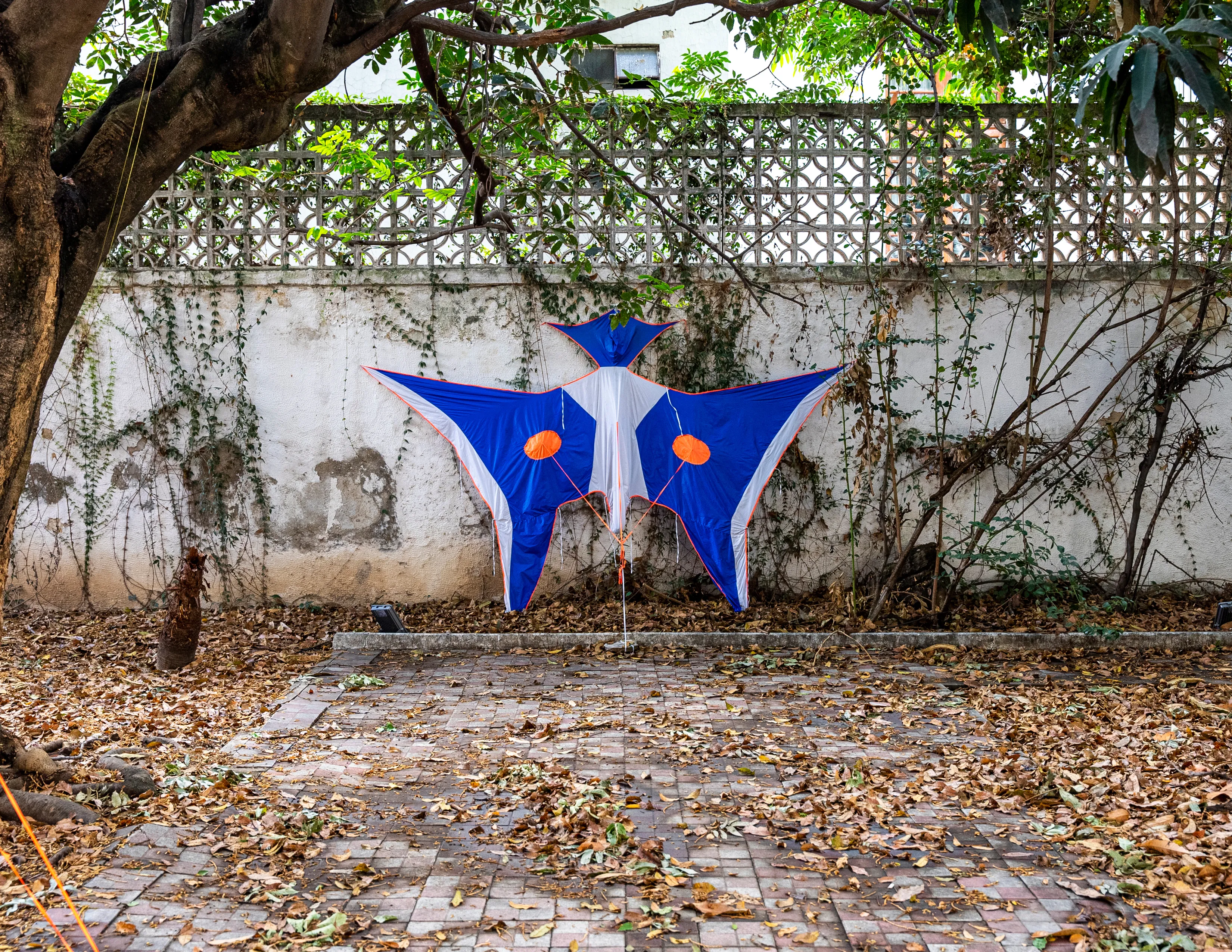
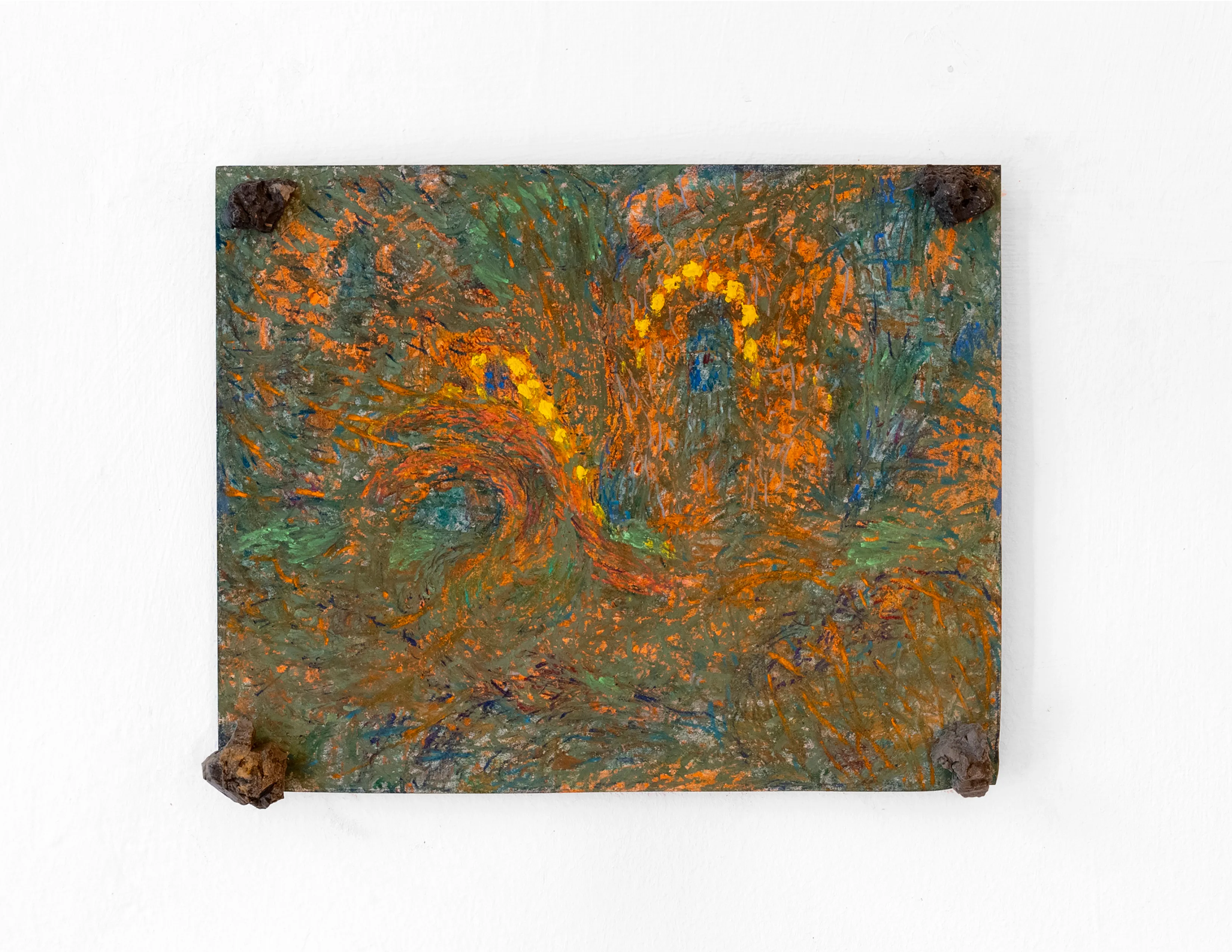
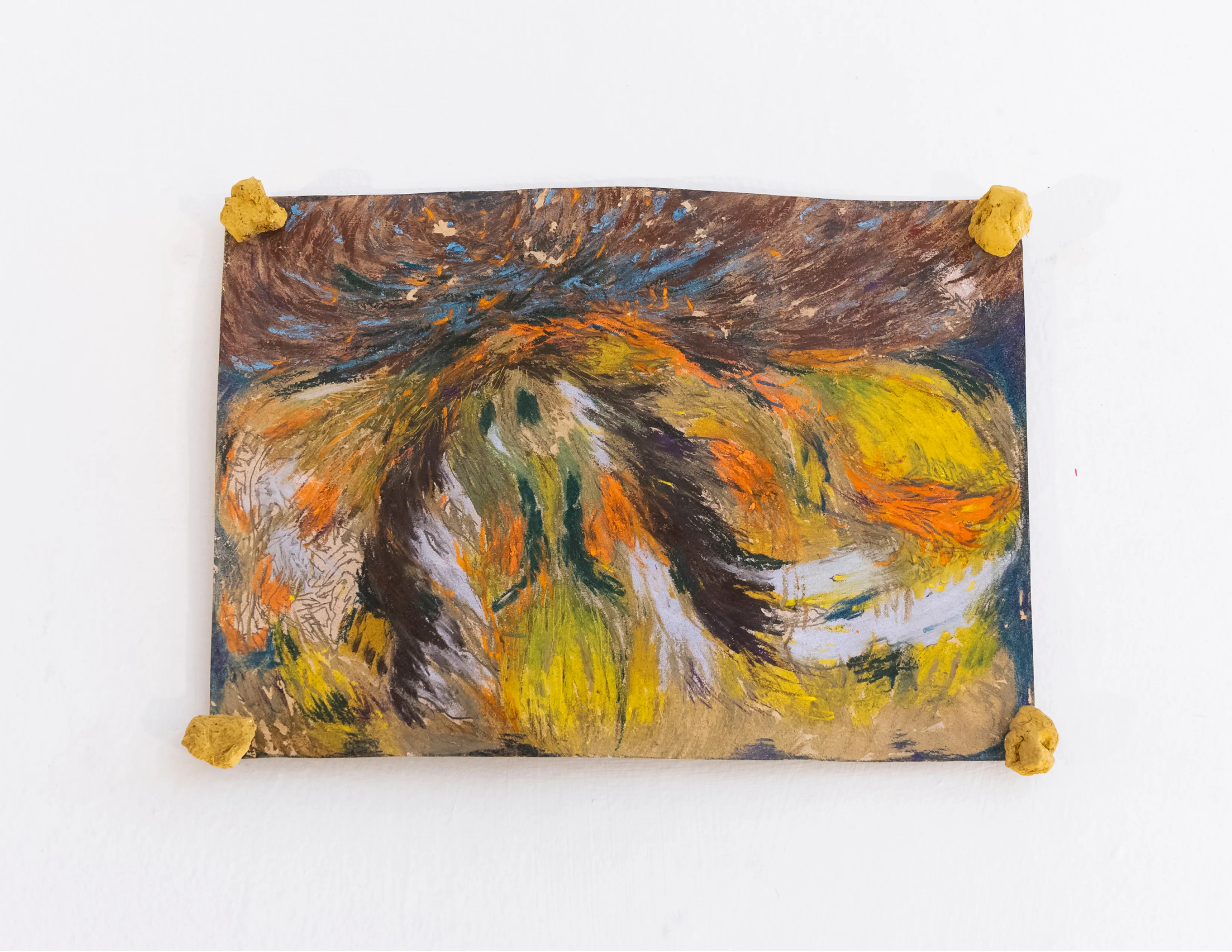
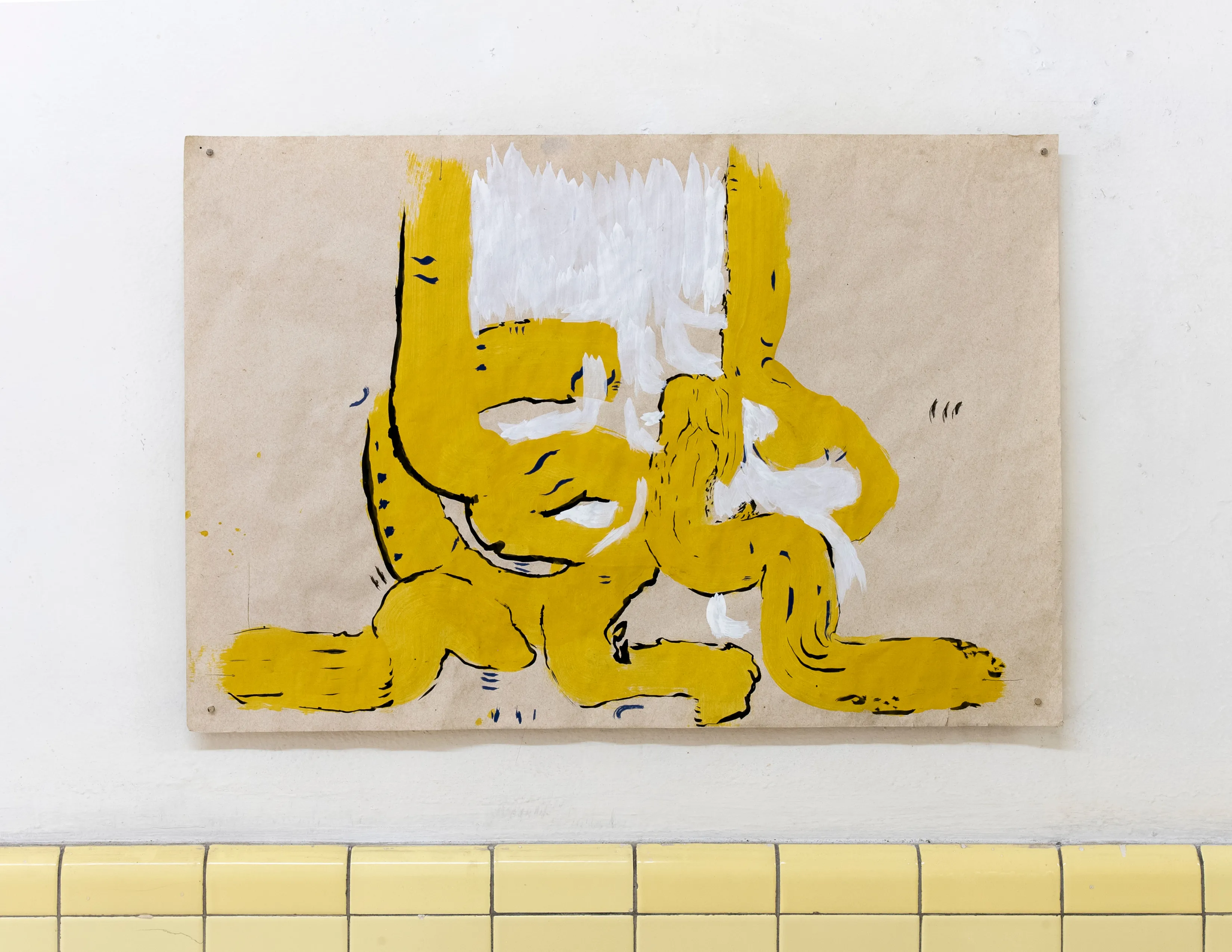
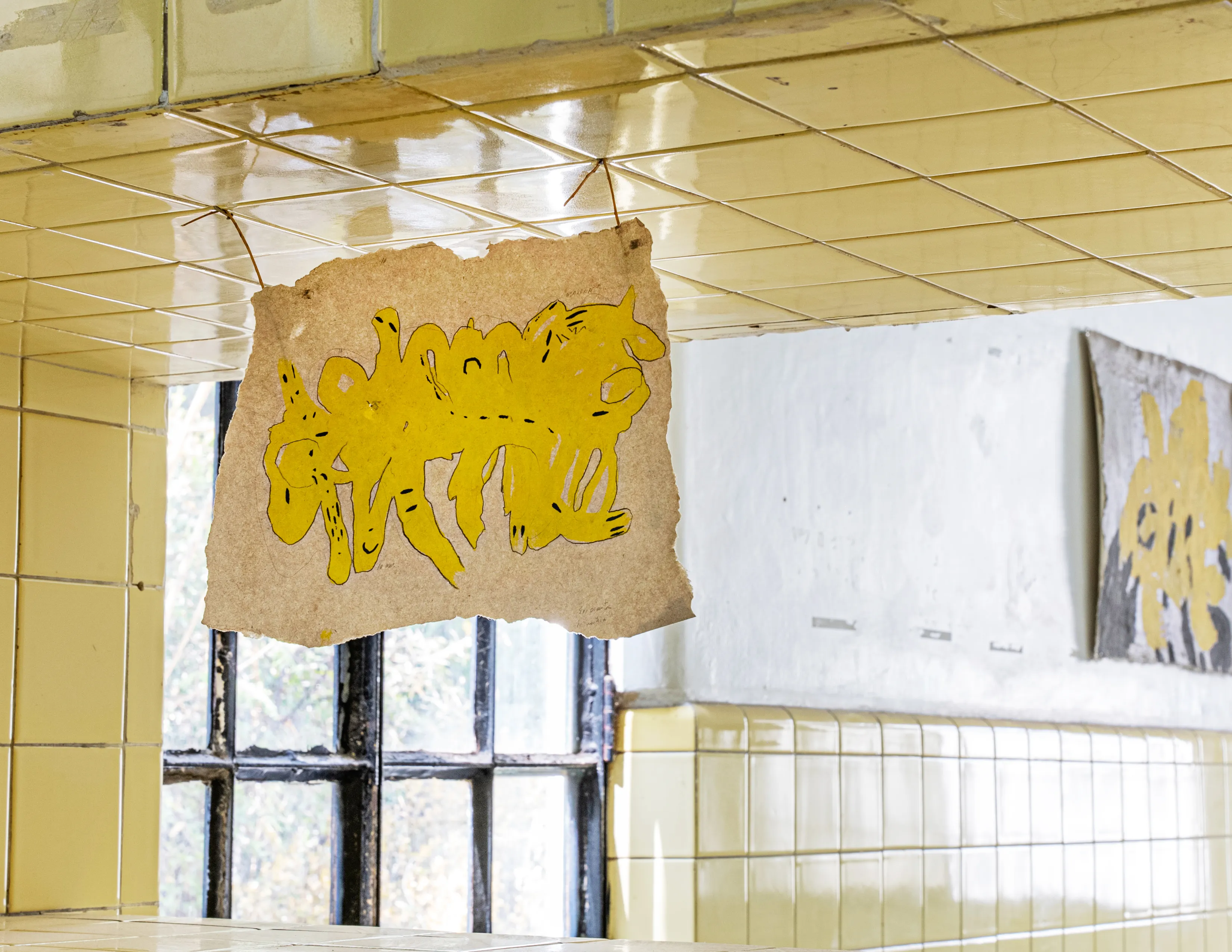
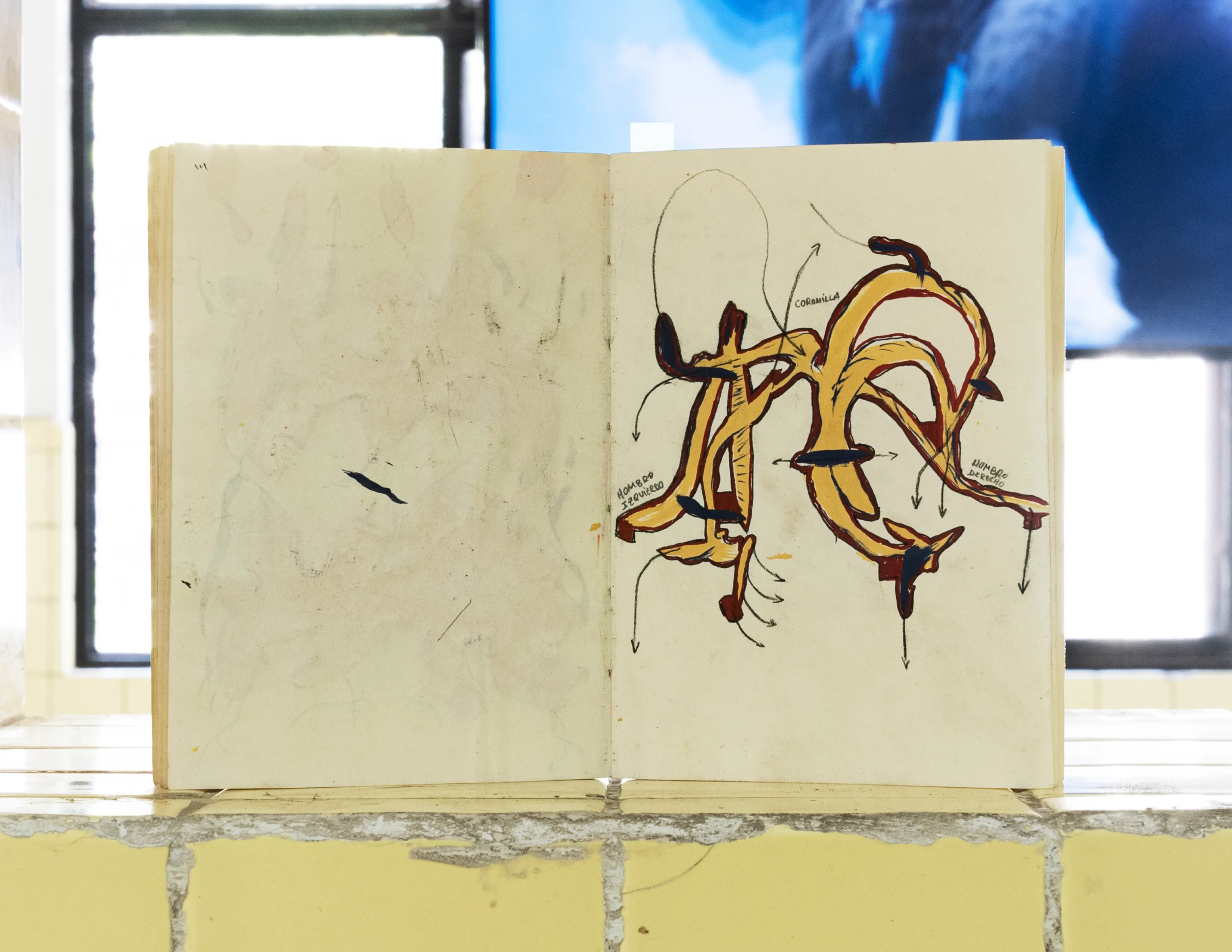
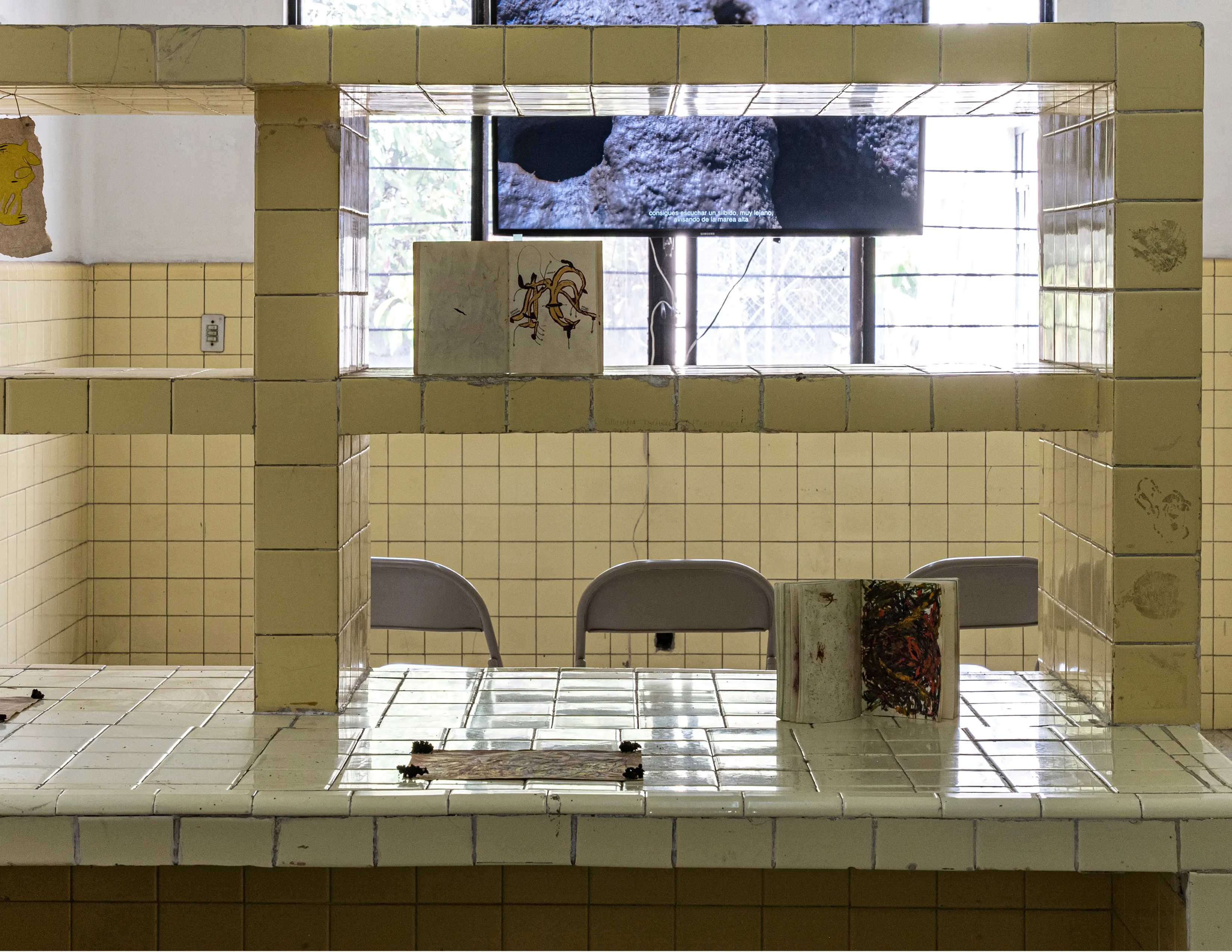
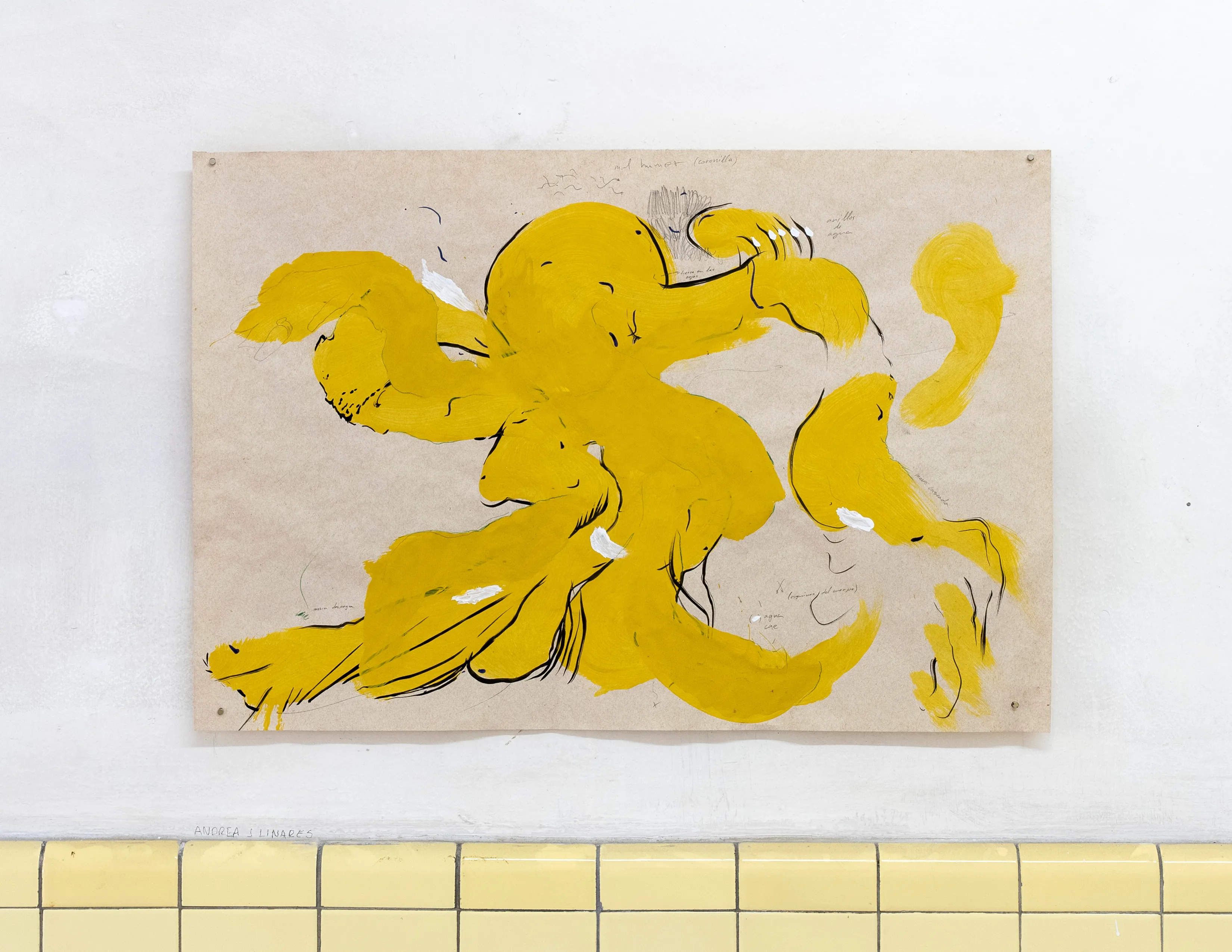
To feel the body as landscape, as territory: where the nature–culture binary ceases to hold as a boundary and reveals itself, instead, as a knot. Amaraña is an exercise in blurring this inherited separation through an archive of thoughts, sounds, images, and movements that intertwine without hierarchy, like roots beneath the earth. The project responds to the current ecological emergency with the intention of imagining other narratives, other desires, sensibilities, and ways of inhabiting the world: an empathetic coexistence, a possible symbiosis between species, a thinking-with, a becoming-with, a moving-with—roots, myths, animals, territories, dances, and shadows—that do not seek to resolve the complexity of multispecies existence, but rather to inhabit it. This speculative fiction is born from the landscapes of São Luís and Alcântara (Maranhão, Brazil), from conversations with local inhabitants and cultural and artistic practitioners, and is woven from two origins that seem opposed and yet share the same form: a myth and a landscape, a legend and a root. It is said that beneath the city of São Luís lives a serpent that feeds on lies and legends—Maranhão, after all, can be read as a well- conceived lie—and that on the day this serpent grows enough to bite its own tail, the city will collapse upon itself. Not far from this subterranean tale, the mangrove—the ecosystem and landscape that gives the region its name—extends its tangled roots like a form of writing that does not distinguish between what it supports and what it conceals. Between the serpent that coils itself and the mangrove that takes root, Amaraña finds its form: that of a knot we do not seek to untie, but to learn to read. Hence, the work does not narrate, but unfolds: stories, dialogues, and reflections that pass through dance and through concrete bodily sensations in order to speak about the relationships and possible transformations between the human, the landscape, and the more-than-human. As in the tentacular thinking proposed by Donna Haraway, where species make and think one another through contact, Amaraña does not propose the body as a spectator of the landscape, but as one of its roots: entangled, dependent, indistinguishable at the heart of the tangle that sustains it. Perhaps this is where the gesture of the work lies: in understanding that every tangle—whether myth, root, or body—is not a problem to be solved, but a legitimate way of existing in relation. Amaraña, then, is not only the name of a region nor the metaphor of a knot: it is the reminder that nature and culture have always been the same thing, entwined with one another from the beginning, from always. Marco Valtierra Javier Velázquez Cabrero (Madrid, 1990) is a visual artist and dancer. He holds a BFA in Fine Arts from the Complutense University of Madrid, having completed part of his studies at the ABK Stuttgart (Germany) under Professor Christian Jankowski, before earning an MA in Documentary Filmmaking from the National School of Cinematic Arts at the National Autonomous University of Mexico and completing his postgraduate studies at SOMA (Mexico City). He has participated in festivals and group exhibitions including Generaciones Award 2025 (La Casa Encendida, Madrid, 2025), La Casa Erosionada (Museo Anahuacalli, Mexico, 2023), Rencontres Internationales Paris/Berlin (Paris, 2020), ZONAMACO Patio (Mexico, 2021), For Once: Season 3 (The Centre for the Less Good Idea, Johannesburg, 2018), FIVA International Video Art Festival (Buenos Aires, 2018), Psychic Energy (Coimbra Biennial, 2015), Festival Verbo (Galeria Vermelho, São Paulo, Brazil, 2018, 2019, 2022), and at the Pinacoteca do Ceará (Fortaleza, 2025). His solo exhibitions include Sudando barro gira la montaña (Sweating Mud, the Mountain Turns) (Festival Aptitudes, Córdoba, 2023), La comunión de tics, gestos y ademanes (The Communion of Tics, Gestures and Mannerisms) (Galería Marta Moriarty, Madrid, 2020), Ningún Gesto es Huérfano (No Gesture Is Orphaned) (CCEMX, Mexico, 2019), The Silver Lake (Casa Maauad, Mexico, 2016), and ZONAMACO Nuevas Propuestas (Mexico, 2016). He has been an artist-in-residence at the Nirox Foundation (Johannesburg) and has received support through the Community of Madrid's Visual Arts Production Grants, the INJUVE Young Artists Grants, the Community of Madrid's International Residency Grants for Artists and Curators, and the PICE Mobility Grants (AC/E), as well as a commission from The Centre for the Less Good Idea in Johannesburg. In 2023, he completed residencies at Museo Anahuacalli in Mexico City and at Chão SLZ and Casa do Sereio in Brazil.